
Do lumps or swelling keep coming back?
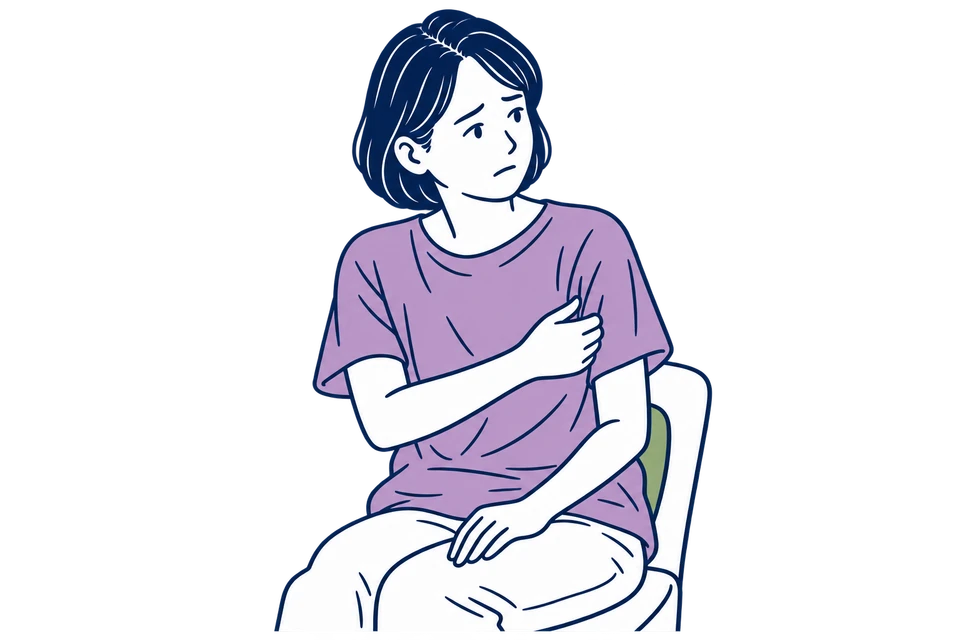
The following symptoms can occur in areas such as the armpits or groin: [1]
- Painful lumps or swelling
- Drainage of fluid or pus
- Symptoms settling, then returning in the same area or nearby
Other conditions can cause similar symptoms. These symptoms alone do not establish a diagnosis of HS. If you are concerned, speak with a dermatologist. [2]
HS is a skin condition with recurring inflammation
Hidradenitis suppurativa (HS) is a skin condition involving recurring inflammation around hair follicles, where hairs grow. It often develops after puberty and can affect people of any gender. [3]
See HS symptoms and commonly affected areasLooking back at your symptoms
At your appointment, the clinician will look at your skin and ask how your symptoms have developed. Share what you remember, including periods when symptoms settled. [2]

- When it started
- When you first noticed symptoms
- Where it appeared
- Whether it was the same area or nearby
- How it changed
- When swelling occurred and when it settled
You do not need to remember exact dates or numbers of episodes. You do not have to wait until you have complete records before seeking care.
If an affected area feels difficult to show
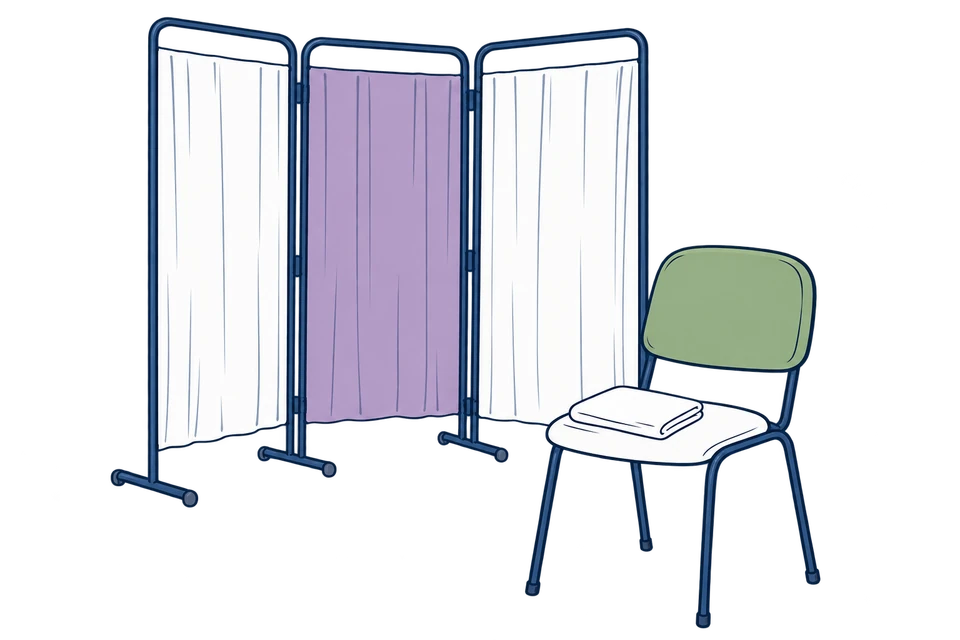
If you feel anxious about the examination, consider explaining your preferences when booking or before the appointment. [4]
“Please explain which areas you will examine and how before you begin.”
“I would like to discuss having a staff member present.”
These are examples of how to ask. What can be arranged varies between healthcare providers.
Start by speaking with a dermatologist

If you are concerned about recurring lumps, swelling, pain, or drainage, speak with a dermatologist. The clinician will assess your skin and symptom history. [2]
You can say, “I came because I wondered whether this could be HS.”

What to tell your clinician
- When and where symptoms began
- Recurring lumps or swelling, pain, and drainage
- Everyday difficulties, such as clothing touching the skin, sitting, or working
- Medicines you have used and questions you want to ask
Notes or photos taken when symptoms are present can help you explain. Taking photos in good light, including an overview and a closer view of the affected area, can make them easier to understand. [4][5]
You can attend without notes or photos. Only take photos or keep records if you feel comfortable doing so.
Keep appointment notes on Living with HSYou are not alone
HS Voices Connect Japan shares the voices of people living with HS and helps people find information.
Even before a diagnosis, it is not too early to learn about HS if you wonder whether it might explain your symptoms.
About the information on this page
The explanations and guidance on seeking care were prepared with reference to the following professional organizations and public healthcare institutions.
- [1] American Academy of Dermatology: HS signs and symptoms
Symptoms including lumps, pain, and drainage. In English.
- [2] American Academy of Dermatology: HS diagnosis and treatment
Clinical assessment and diagnosis. In English.
- [3] NIH / NIAMS: Hidradenitis Suppurativa (HS)
Definition, symptoms, and causes. In English.
- [4] Guy's and St Thomas' NHS: HS appointments
Preparing for a first appointment, examination, and having a staff member present. In English.
- [5] American Academy of Dermatology: Tips for taking photographs of your skin
Taking photos for a medical consultation. In English.
Sources checked:
This page has not been medically reviewed by a physician. Illustrations and examples of what to say are provided for explanation. Please consult a healthcare professional about your own symptoms and diagnosis.
This page cannot diagnose you. Please discuss the cause of your symptoms and treatment with a dermatologist.